
Important Notes & Key Guidelines for Hajj
1. Moral Conduct and Acceptance of Pilgrimage
Some pilgrims display poor conduct and lack proper understanding of Islamic teachings, leading them to commit prohibited acts or perform rituals incorrectly without attempting to reform. Such behavior threatens the completeness and acceptance of their Hajj/Umrah. And there is no power nor strength except with Allah.
2. Seizing the Blessed Hours of Arafah
Pilgrims must maximize their spiritual efforts on the Day of Arafah. It is a monumental day when Allah forgives sins, frees souls from the Hellfire, and expresses pride in the pilgrims standing at Arafah before His angels.
3. Requirement for Pelting the Jamarat
When performing the pelting ritual, all seven pebbles cast at each Jamrah must land directly inside the designated basin (marmā) surrounding the pillar for the ritual to be valid.
4. Prohibition of Fragranced Soaps in Ihram
While in the state of Ihram, pilgrims are strictly forbidden from washing their hands or body using soaps, body washes, or cleansers containing musk, perfume, or added fragrance.
5. Ruling for Those Unable to Offer Sacrificial Hady
A pilgrim who cannot find or afford the sacrificial animal (Hady) must fast a total of ten days: three days during the Hajj season (before Eid or during the Days of Tashreeq) and seven days upon returning home. These days may be fasted either consecutively or separately. Local residents of the Sacred Precincts (Ahl al-Haram) are exempt from offering Hady.
6. Serving Pilgrims and Patience
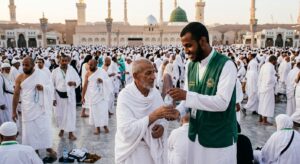
Assisting fellow pilgrims, displaying patience, and forgiving the shortcomings or mistakes of others carry immense spiritual rewards.
7. Changing Ihram Garments and Bathing
Pilgrims are fully permitted to change into a clean set of Ihram garments and take a bath whenever necessary during their pilgrimage.
8. Sunnah of Visiting Madinah (Al-Masjid an-Nabawi)
Visiting the Prophet’s Mosque in Madinah is a recommended Sunnah either before or after Hajj. A single prayer in Al-Masjid an-Nabawi yields a reward greater than one thousand prayers performed in any other mosque (except Al-Masjid al-Haram). Recommended acts in Madinah include:
-
Offering Salam (peace) at the grave of Prophet Muhammad ﷺ and his two noble companions, Abu Bakr (R.A.) and Umar (R.A.).
-
Visiting Masjid Quba to offer two rak’ahs of prayer.
-
Visiting the Baqi’ Cemetery (Jannat al-Baqi’) to supplicate for the buried companions.
-
Visiting the Uhud Martyrs’ Cemetery to pray for the martyrs.
9. Absolute Prohibition of Calling Upon the Deceased
Invoking, supplicating to, or seeking divine assistance from the deceased is strictly impermissible in Islam. It constitutes major polytheism (Shirk), which completely nullifies righteous deeds.